
WASHINGTON — A recently released report by the National Academies of Sciences, Engineering, and Medicine highlights the complexity of assessing the environmental impacts of offshore wind projects on the North Atlantic right whale and the surrounding ecosystems in the Nantucket Shoals region. According to the study, distinguishing the effects of wind energy development from natural variability and other human-induced factors, including climate change, remains a significant challenge. The report emphasizes the importance of comprehensive research and ongoing monitoring to better understand how future offshore wind farms may influence marine ecosystems in this ecologically sensitive area.
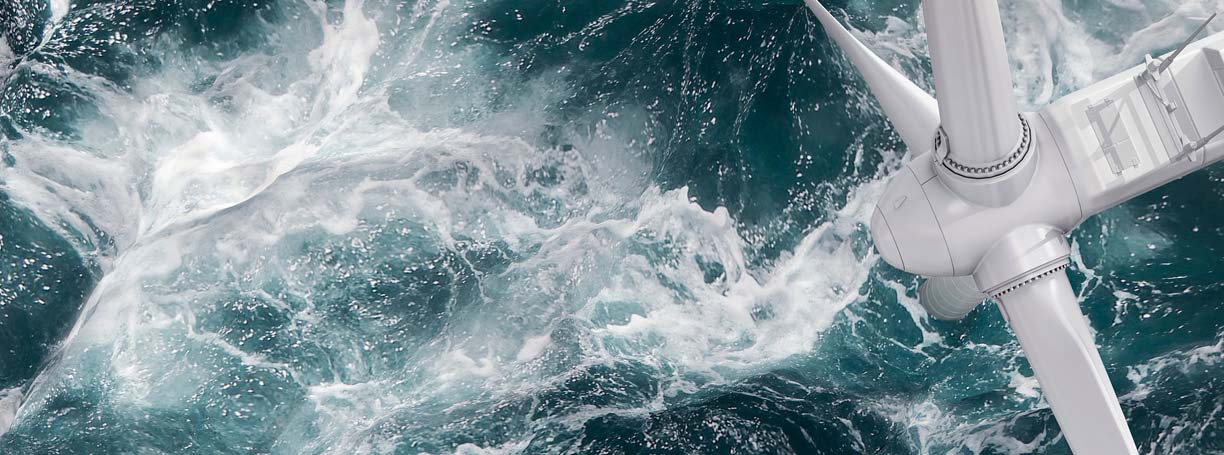
The growth of offshore wind energy offers a promising path toward expanding renewable energy production, particularly along coastal regions. Despite its potential, only two operational wind farms currently exist in the United States, leaving scientists with limited real-world data to evaluate how these structures influence local oceanography and ecosystems. Offshore wind turbines interact with the marine environment in complex ways: as wind passes through the turbines, it generates a wake that alters wind flow, while the turbine structures themselves create disturbances in the water column, known as ocean wakes. These combined effects result in changes in water movement and turbulence, a process referred to as hydrodynamics. Understanding these hydrodynamic shifts is essential for predicting the possible impacts of offshore wind development on marine life, from microscopic phytoplankton to large marine mammals like the North Atlantic right whale.
The committee behind the report was tasked with evaluating the specific influence of wind turbines in the Nantucket Shoals region on local marine hydrodynamics and the cascading effects on marine mammals, particularly regarding the whales’ primary food sources. The committee noted that, due to the scarcity of existing studies, a comprehensive understanding of these impacts remains elusive. As a result, they recommended expanded observational studies during all stages of offshore wind development—including surveying, construction, operation, and eventual decommissioning—to evaluate how hydrodynamic changes may affect both ecosystems and the North Atlantic right whale population.
Eileen Hofmann, the chair of the committee and a distinguished professor in the Department of Ocean and Earth Sciences at Old Dominion University, explained, “The current body of research is not sufficient to draw definitive conclusions about the potential impacts of wind farms on specific components of the Nantucket Shoals ecosystem. Based on what we know, however, it is clear that these effects are difficult to separate from other factors already influencing the region, particularly climate change. Ongoing research and rigorous monitoring will be essential as offshore wind projects expand in Nantucket Shoals and other locations worldwide.”
Key Recommendations for Future Research
The report outlines several recommendations to enhance understanding and management of offshore wind impacts. First, the committee urges the Bureau of Ocean Energy Management (BOEM), the National Oceanic and Atmospheric Administration (NOAA), and other relevant agencies to support and, where possible, require comprehensive oceanographic and ecological monitoring programs. These programs should involve robust modeling and consistent observational data collection during all phases of wind energy development. This effort is critical as North Atlantic right whale patterns and habitat use in the Nantucket Shoals continue to evolve. Collecting high-quality data will inform regional policies aimed at protecting these whales and improve predictive models for the ecological consequences of wind development at other potential offshore sites.
The report also emphasizes the importance of observational studies beyond Nantucket Shoals. BOEM, NOAA, and other agencies should facilitate, and when feasible mandate, research across all stages of wind energy development in additional U.S. offshore wind areas. Observations should focus on processes at relevant spatial and temporal scales to isolate, quantify, and characterize hydrodynamic effects with precision. Model validation studies are also critical, as they help determine whether specific computational models can accurately simulate baseline hydrodynamic processes at the turbine, wind farm, and regional levels. These efforts will enhance scientific understanding and enable engineers and policymakers to make more informed decisions regarding future offshore wind projects.
The study was carried out by the Committee on the Evaluation of Hydrodynamic Modeling and Implications for Offshore Wind Development: Nantucket Shoals and was sponsored by the Bureau of Ocean Energy Management. It reflects a growing recognition of the need for evidence-based approaches to balance the benefits of renewable energy with environmental conservation.
Broader Implications for Renewable Energy and Marine Conservation
Offshore wind energy is increasingly seen as a vital component of the United States’ renewable energy strategy. By harnessing wind power along the coastline, these projects offer the potential to generate substantial clean energy, reduce reliance on fossil fuels, and contribute to national climate goals. However, as the report underscores, understanding the ecological footprint of offshore wind farms is essential to ensure that renewable energy development does not come at the expense of vulnerable marine species. The North Atlantic right whale, already threatened by ship strikes, entanglement in fishing gear, and climate-related changes in prey distribution, may be particularly sensitive to alterations in local hydrodynamics caused by turbines.
The study also highlights the broader challenges of managing human impacts on marine ecosystems. Offshore wind farms represent one of many stressors affecting ocean environments. Distinguishing their effects from those of natural variability, climate change, and other anthropogenic influences requires careful research, long-term monitoring, and adaptive management strategies. By prioritizing these efforts, scientists and policymakers can better predict and mitigate potential negative consequences while advancing renewable energy goals.
Moving Forward
As the U.S. continues to expand its offshore wind capacity, the need for rigorous scientific inquiry grows increasingly urgent. The recommendations provided by the National Academies’ report offer a roadmap for integrating oceanographic and ecological research into wind energy planning and regulatory frameworks. Effective monitoring programs, validated modeling, and targeted observational studies are critical to safeguarding marine life, guiding policy decisions, and supporting sustainable offshore energy development.
In conclusion, while offshore wind farms hold immense promise for clean energy generation, their ecological impacts must be thoroughly understood and managed. The report from the National Academies of Sciences, Engineering, and Medicine serves as a vital resource for informing policymakers, scientists, and industry stakeholders about the importance of comprehensive monitoring and research in sensitive marine areas like Nantucket Shoals. By following these recommendations, the United States can advance its renewable energy goals while ensuring the long-term protection of endangered species and the health of marine ecosystems.
The National Academies of Sciences, Engineering, and Medicine are private, nonprofit organizations providing independent and objective analysis to inform policy decisions and address complex scientific challenges. Operating under a congressional charter dating back to 1863, these institutions offer expertise to support evidence-based decision-making in science, engineering, and medicine.
Leave a Reply