
-
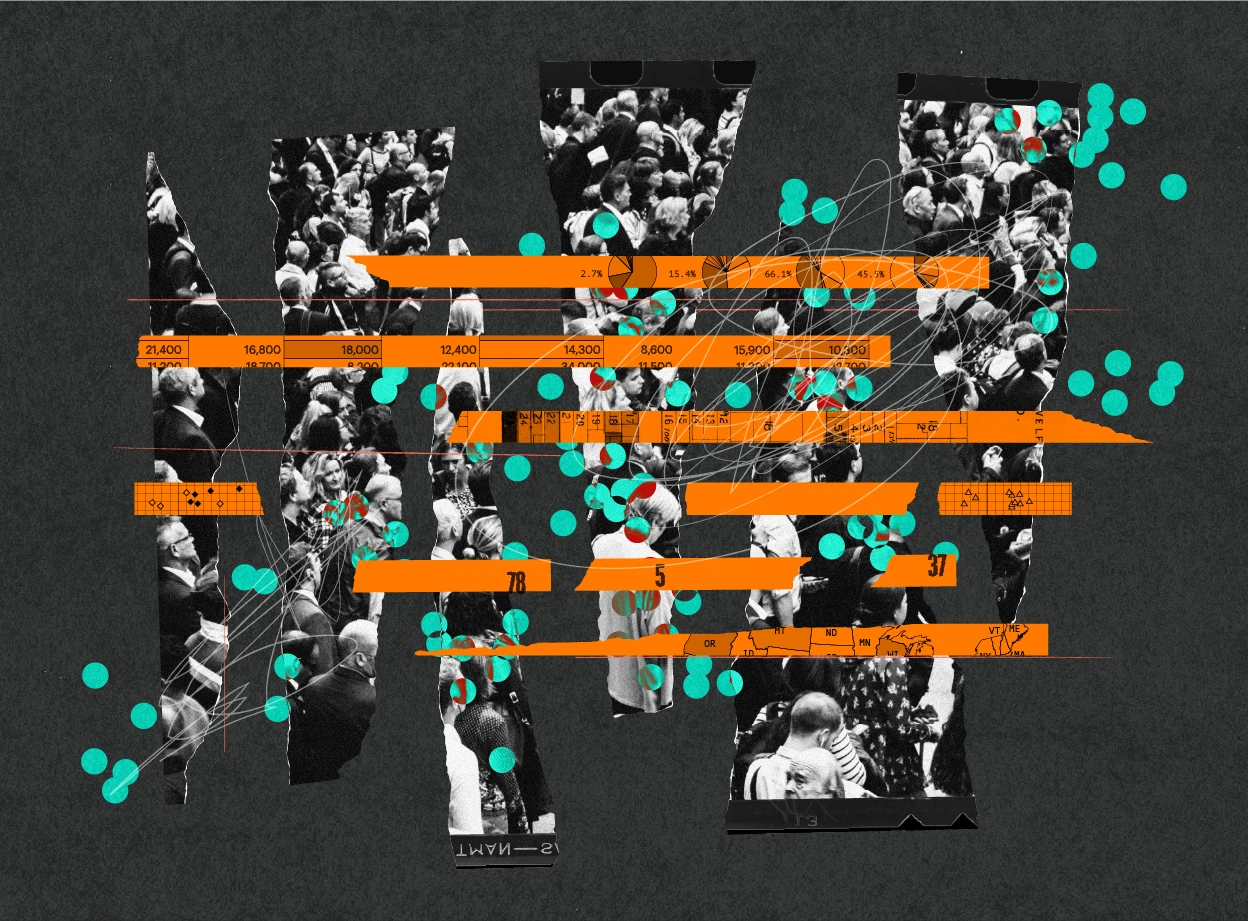
Crisis in Government Data: Trust Erosion Explained
•
Global government data systems face a crisis marked by declining trust, political interference, and budget cuts. Experts warn that independence in statistical agencies is diminishing, affecting data accuracy and public trust. Countries like the U.S., Argentina, and India illustrate these challenges, with issues ranging from political manipulation to inadequate methodology, jeopardizing reliable data collection.
-
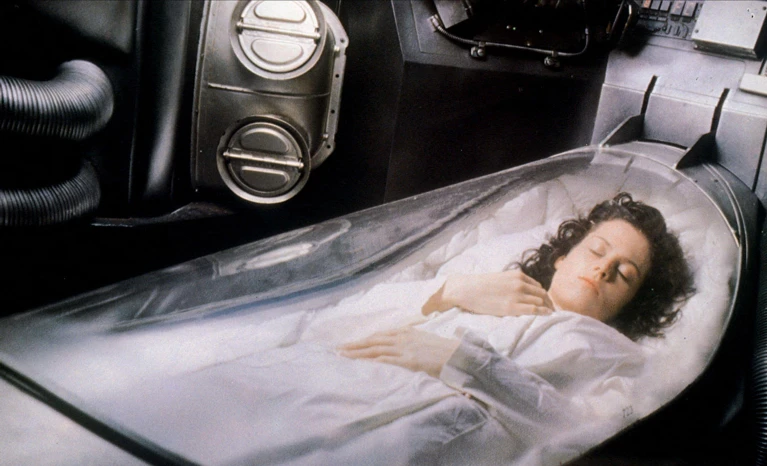
Breakthroughs in Brain Cryopreservation: A Scientific Reality
•
Researchers have made significant strides in cryopreservation, particularly concerning brain functionality. A German team’s study, utilizing vitrification to preserve mouse brain tissue, showed that neurons could retain activity after thawing. Although practical applications for humans are still a challenge, this work paves the way for potential advancements in organ preservation and cryopreserved revival.
-

Tehran’s Black Rain: Causes and Health Risks
•
Thick, hazardous smoke and dark, acidic rain have engulfed Tehran, Iran’s capital, this week after missile strikes damaged oil depots and refineries. Experts warn that the rain likely carries chemicals harmful to both humans and the environment. But what exactly is “black rain,” how does it form, and how long will it remain a…
-

Is a ‘selfish gene’ making a Utah family have twice as many boys as girls?
•
A research team has identified a unique seven-generation pattern in a Utah family, producing twice as many boys as girls. This may provide the first evidence of “selfish genes” altering the natural sex ratio in humans. While findings are preliminary and unpeer-reviewed, they may reshape understanding of human reproductive biology.
-
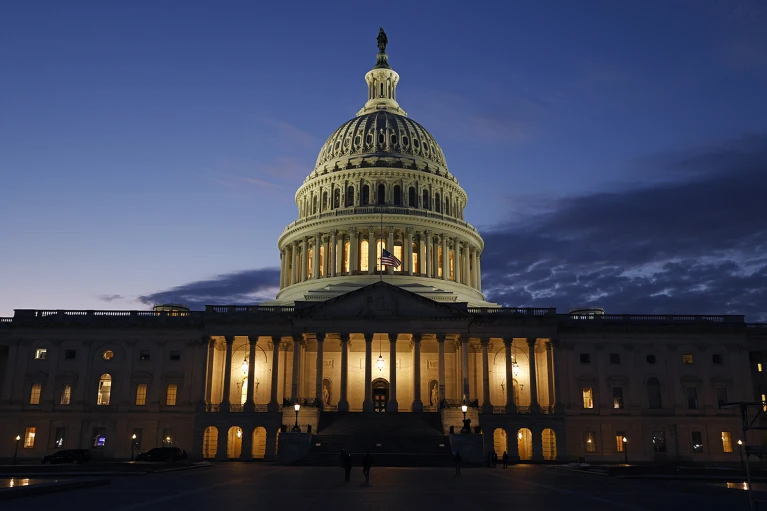
Congress Rejects Major Science Budget Cuts for 2026
•
In early February, Congress countered significant cuts to federal science budgets proposed by Trump, but funding delays have arisen mainly due to the White House Office of Management and Budget’s new authorization procedures. Vital agencies like NIH and NSF face slow grant approvals, risking disruptions in research and federal funding cycles.
-

Pokémon’s Impact on Science Education and Research
•
On February 27, 1996, Satoshi Tajiri launched Pokémon, rooted in his passion for collecting insects. This franchise has significantly influenced science and education by connecting playful engagement with serious disciplines like taxonomy, ecology, and paleontology. It serves as a cultural bridge that fosters curiosity and exploration in young scientists.
-
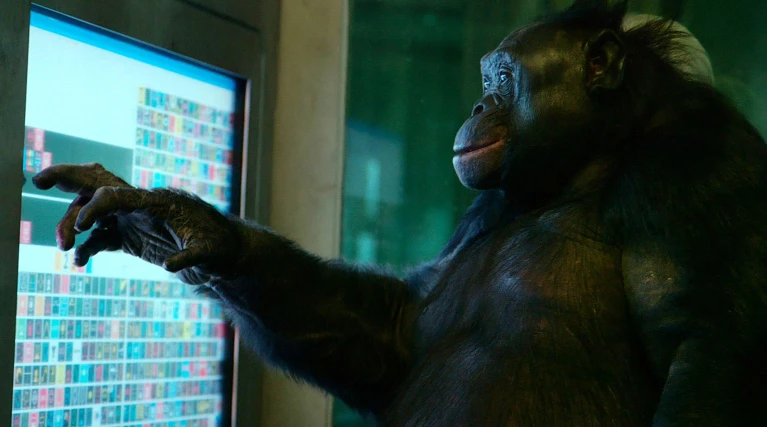
Kanzi the Bonobo: First Animal to Understand Make Believe
•
Kanzi, a male bonobo, has become the first non-human animal to demonstrate a clear understanding of make-believe, according to a study in Science. The research shows that Kanzi chose a pretend-filled cup over an empty one, indicating a capacity for imaginative thought, suggesting a richer mental life among great apes.
-

The Rise of Autonomous AI Agents: Opportunities and Risks
•
A new network of AI bots, notably OpenClaw, is engaging in discussions on topics like religion and consciousness through the social platform Moltbook. While this interaction offers rich research opportunities, it raises concerns about user dependency, security vulnerabilities, and the proliferation of low-quality AI-generated research. Balancing innovation with ethical implications is crucial.
-
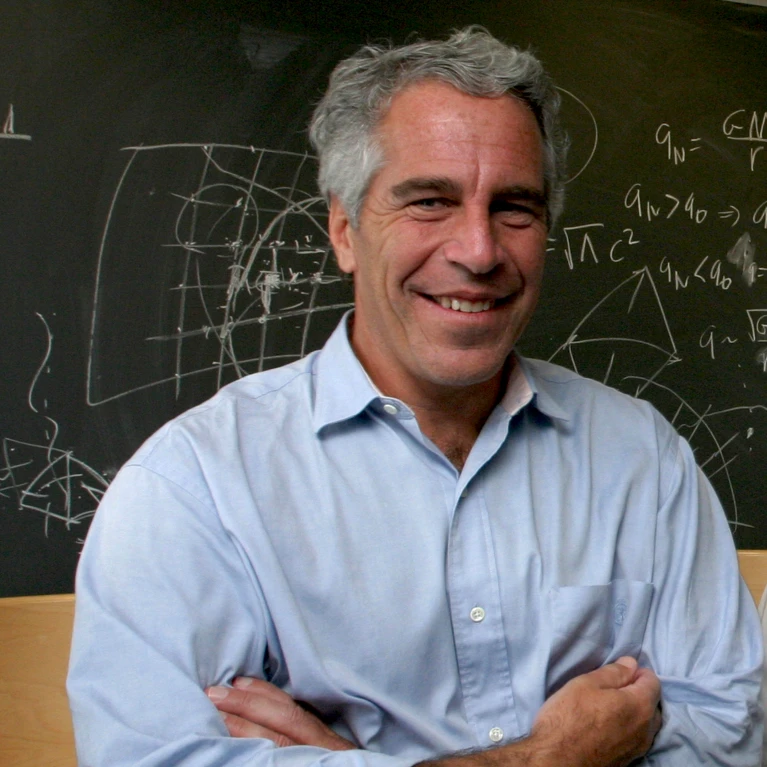
Epstein’s Deep Ties to Science: New Revelations
•
New documents regarding Jeffrey Epstein reveal his extensive influence in the scientific community. He funded prominent researchers, sometimes leading to controversy, and maintained deep involvement in scientific projects despite his criminal history. The documents highlight connections with several academics, raising concerns about the ethics of private funding in academia.
-
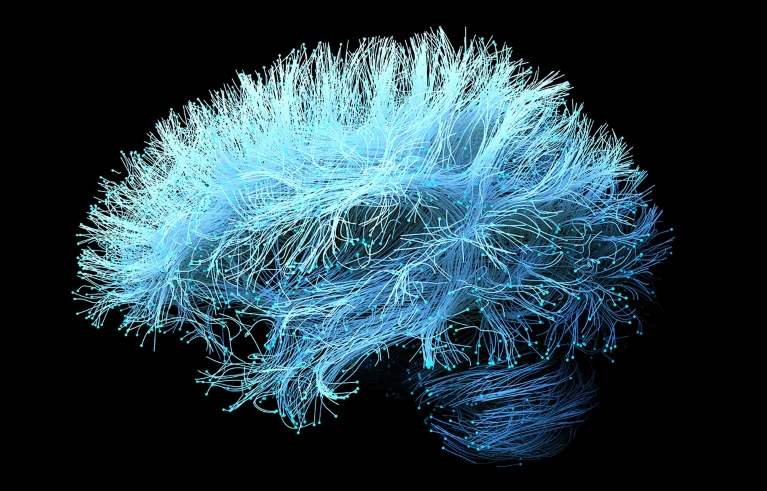
Revolutionizing Brain-Computer Interfaces with Ultrasound Technology
•
Merge Labs, a newly launched company, aims to advance brain-computer interface technology using ultrasound instead of deep brain electrodes. With strong funding and a research-focused approach, it hopes to monitor and treat mental disorders less invasively. Though still in early stages, its methods suggest potential breakthroughs in neurotechnology and medical treatment.