
-
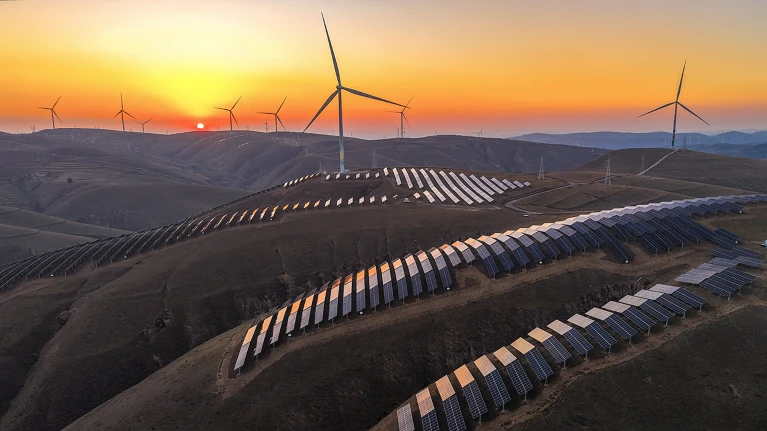
Key Scientific Breakthroughs of 2025 Amid Political Challenges
•
In 2025, political challenges in the U.S. threatened scientific integrity, yet global advancements prevailed. Wildlife conservation efforts flourished, significant medical breakthroughs emerged in gene therapy, and renewable energy surpassed coal as the primary electricity source. Public health initiatives effectively contained disease outbreaks, emphasizing the importance of research and international collaboration for progress.
-
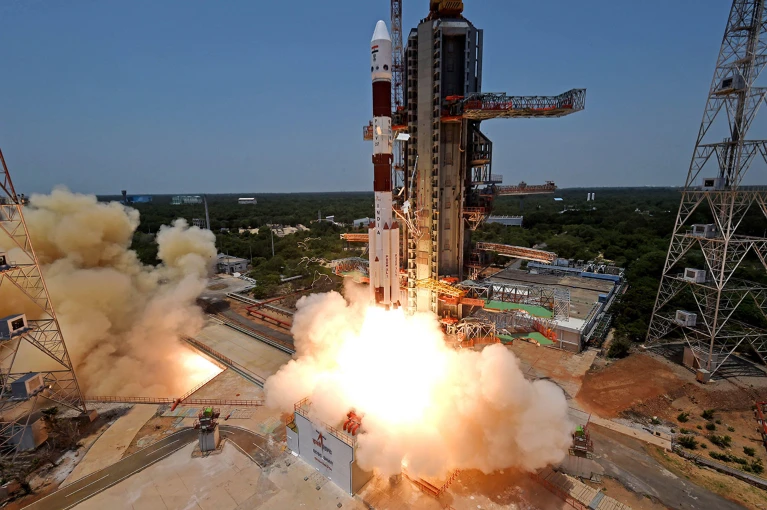
AI’s Growing Impact on Scientific Research in 2024
•
Research in artificial intelligence is accelerating, particularly with AI agents handling complex tasks. Gene-editing and large clinical trials are advancing, especially in personalized therapies for rare diseases and cancer detection. Meanwhile, space missions to the Moon and Mars are planned, alongside significant changes in regulations impacting clinical trials and scientific research funding.
-

Exploring Parallel Universes in Stranger Things
•
The Netflix series Stranger Things intertwines fantasy with scientific concepts, particularly exploring the “many-worlds interpretation” of quantum mechanics. This theory, proposed by Hugh Everett, suggests infinite parallel universes arise from every possible outcome. While the show incorporates real physics, its portrayal of alternate realms remains fictional and far from scientific reality, leading to engaging…
-
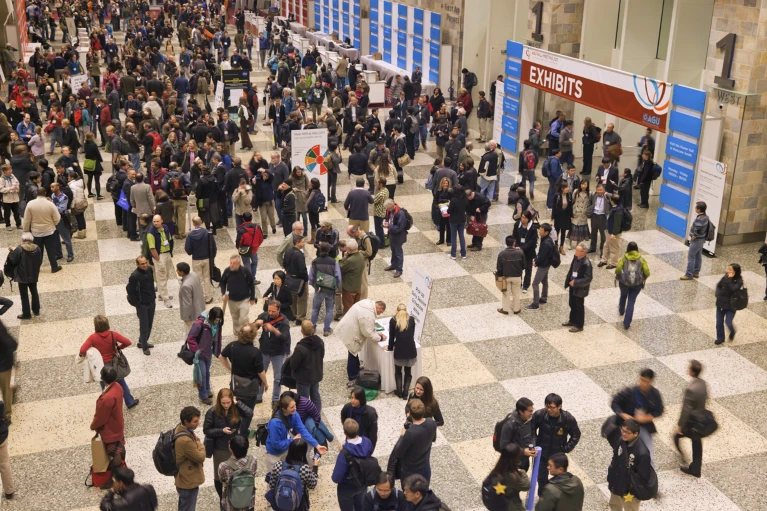
Impact of U.S. Policies on Scientific Conference Attendance
•
Attendance at major U.S. scientific conferences has declined, prompting organizers to rethink formats and create alternative events like EurIPS in Europe and parallel meetings in Mexico. Factors include U.S. travel restrictions and political climate concerns. This shift may signal a lasting change in how researchers convene and collaborate globally.
-
NSF Eases Grant Review Rules Amid Workforce Cuts
•
The US National Science Foundation is easing its evaluation rules for research grants due to application backlogs and staffing reductions. The new guidelines lower external review requirements and allow internal assessments in certain situations. While aimed at alleviating strain, concerns arise that this may compromise the peer-review process’s rigor and fairness.
-
AI’s Rising Role in Academic Peer Review
•
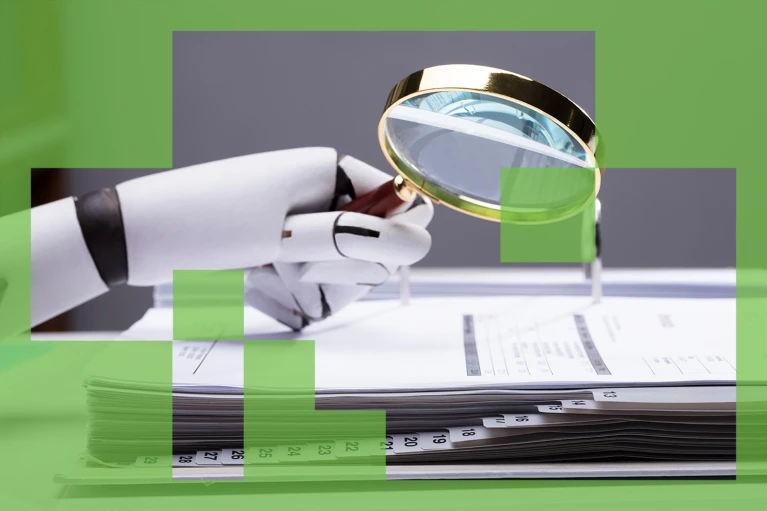
A recent survey by Frontiers reveals that over half of academic researchers now use AI tools for peer review, with many increasing their reliance in just a year. The findings call for updated publishing guidelines and support the introduction of an internal AI platform by Frontiers, aimed at ensuring responsible and effective AI use…
-
DeepSeek’s R1: A Game Changer in AI Innovation
•
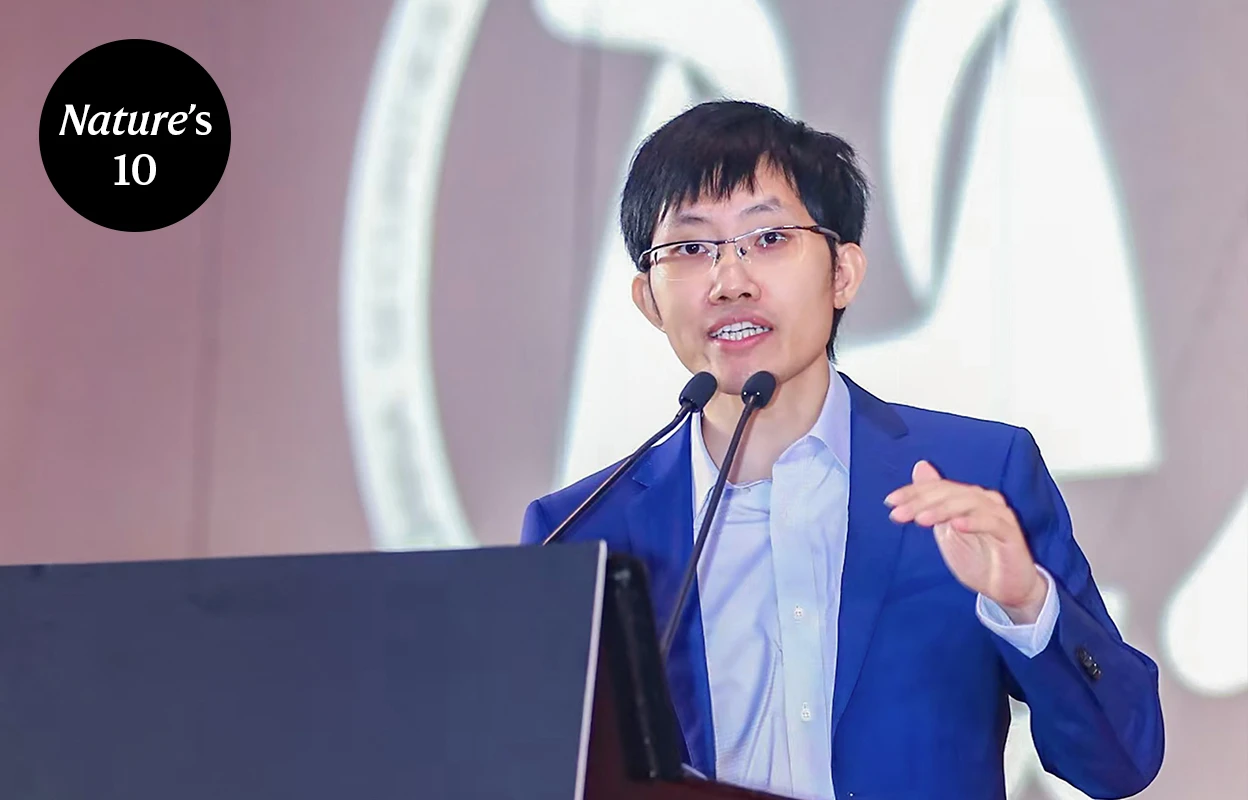
The launch of DeepSeek’s R1 model challenged the notion of U.S. superiority in AI by offering an open-source LLM that excels in reasoning tasks at lower training costs. Founded by Liang Wenfeng, DeepSeek prioritizes research transparency and unconventional hiring, transforming Chinese innovation perceptions and prompting industry shifts towards open-source strategies.
-

Monarez’s Dismissal: A Turning Point for CDC Leadership
•
Susan Monarez’s brief tenure as director of the CDC ended abruptly after less than a month. Her dismissal followed her refusal to comply with directives undermining scientific integrity. This event highlighted turmoil and political interference within the CDC, exacerbating instability amid challenges like workforce layoffs and public health policy shifts.
-

Advancements in AI for Novel Antibody Design
•
In the past year, AI has revolutionized protein engineering by successfully generating novel antibody molecules, although initial designs lacked potency compared to commercial therapies. Recent advancements have led to more effective AI tools for creating therapeutics, signaling a rapid progress towards human clinical trials, while challenges in predicting binding strength and safety remain.
-
China’s AI Governance Proposal: WAICO Explained
•
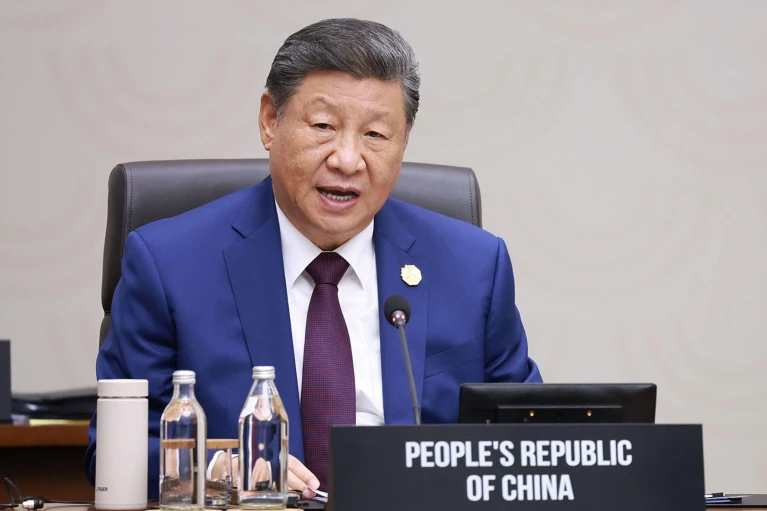
As AI evolves rapidly, concerns about governance and misuse increase. China proposes the World Artificial Intelligence Cooperation Organization (WAICO) to guide global AI standards, contrasting with the U.S. approach. Despite political challenges, experts suggest progress is possible for global AI regulation, emphasizing proactive measures to prevent future crises.