
-

Vaccine advice based on science: US centre fills gaps in public-health information
•
Nine months after Robert F. Kennedy Jr. became U.S. Secretary of Health, the CDC has undergone significant changes, including the replacement of its vaccine advisory committee. This has raised public health concerns, prompting CIDRAP to launch the Vaccine Integrity Project, aimed at providing reliable vaccine data amidst growing skepticism and maintaining public trust in…
-

Making Machine Learning Safer in High-Stakes Settings
•
Machine learning is crucial for AI applications but poses safety risks. Experts stress that current performance metrics fail to meet the high reliability needs of safety-critical systems. To enhance safety, training data must mirror real-world conditions, and AI systems should be able to recognize uncertainty. Transparency, standards, and education are vital for safe integration…
-

National Academies Announce 2025 Winners of Eric and Wendy Schmidt Awards for Excellence in Science Communications; $640,000 Awarded
•
The National Academies recognized 24 recipients of the Eric and Wendy Schmidt Awards for Excellence in Science Communications, celebrating their efforts to enhance public science literacy. Award categories included research scientists, journalists, and communicators, with a total of $640,000 in prizes. The awards highlight the critical role of effective science communication in fostering public…
-

System that Investigates and Provides Determinations of Cause and Manner of Deaths in Custody Needs Comprehensive Reform, Says New Report
•
A new report from the National Academies highlights significant deficiencies in the U.S. medicolegal death investigation system, noting inconsistencies, under-resourcing, and fragmented structures. The authors urge Congress and states to enhance regulations, training, and data collection regarding deaths in custody to improve public trust and accountability in law enforcement and justice outcomes.
-

Defense Department Should Invest in Leap-Ahead Semiconductor Technologies, Work to Reshore Production Capabilities, and Strengthen Industry and Interagency Engagement, Says New Report
•
A National Academies report urges the U.S. Department of Defense to adopt a coordinated strategy for advanced semiconductor technologies, emphasizing national security. Recommendations include long-term investments, partnerships, and reducing foreign dependence through “friend-shoring.” To enhance modernization and workforce skills, the DOD should streamline processes and develop innovative training programs, ensuring a robust semiconductor ecosystem.
-

A new vision for American science
•
The United States’ leadership in science and technology stems from decades of federal investments in research, attracting global talent and fostering innovation. However, shifting landscapes necessitate a renewed approach to funding and talent development. The Vision for American Science and Technology (VAST) task force aims to redefine policies for sustained leadership in global innovation.
-

Rural Areas Offer Unique Opportunities for STEM Education, But Targeted Resources, Connectivity, and Training Needed
•
A new report from the National Academies of Sciences emphasizes enhancing STEM education in rural U.S. communities. It offers strategies for improving access while addressing obstacles like limited broadband and funding challenges. Recommendations include creating a national definition of “rural,” fostering community involvement, and utilizing local resources for effective STEM learning.
-
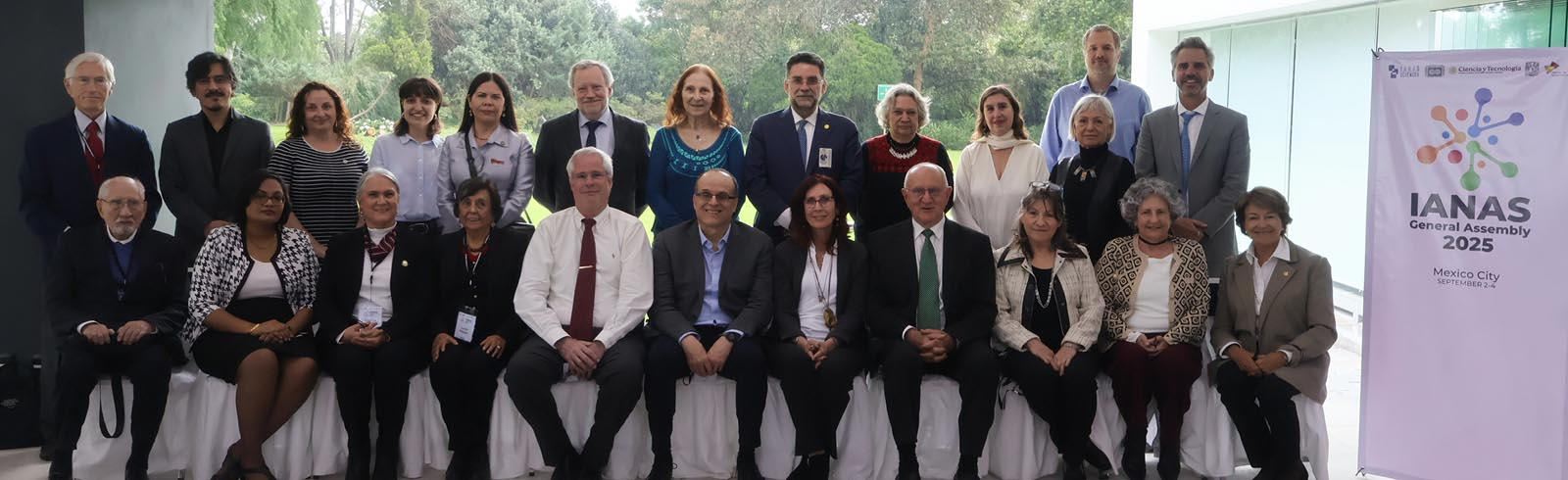
Conference Highlights Scientific Cooperation in the Americas
•
Scientific leaders from the Americas convened at IANAS’s General Assembly to enhance science’s role in addressing regional challenges. Emphasizing collaboration and resilience, they discussed key initiatives, including climate action ahead of COP30. New co-chair Alberto Gago stressed the necessity of integrating science into policymaking for sustainable development across the Americas.
-
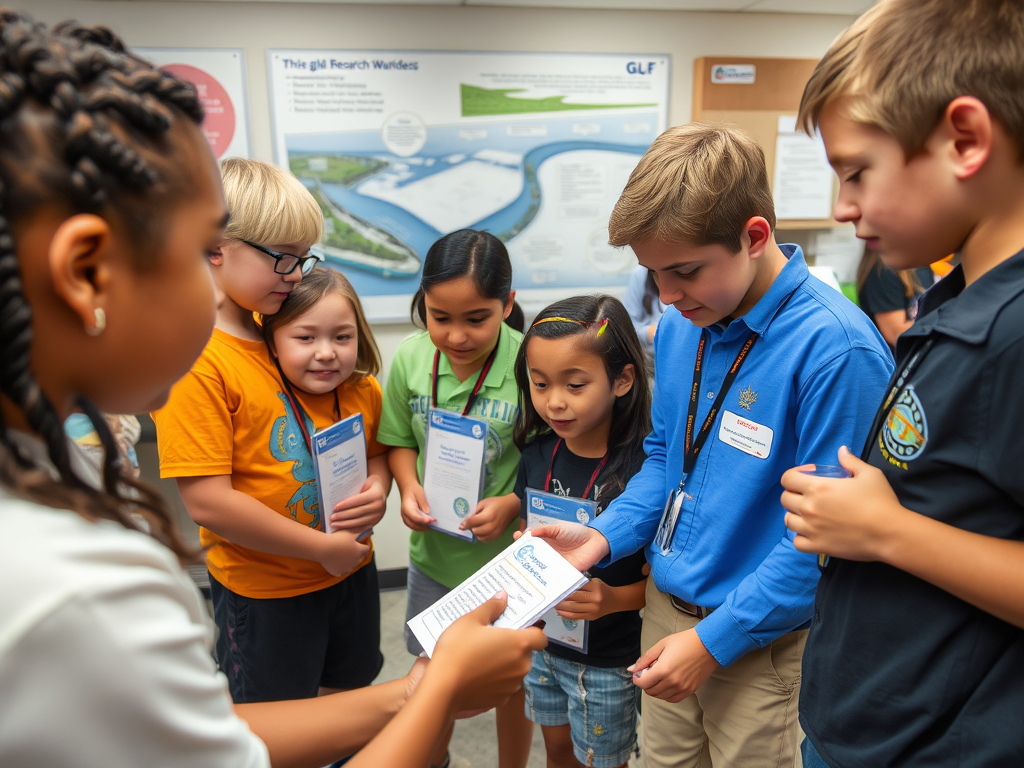
Gulf Research Program Awards Over $4.9 Million for Empowering K-8 Youth Through Place-Based Education Projects and Programs
•
The Gulf Research Program has awarded over $4.9 million to support nine educational initiatives for K-8 students in the Gulf Coast. These programs aim to enhance environmental awareness, scientific skills, and community leadership. Through hands-on activities, students will tackle local environmental challenges, promoting stewardship and innovation for a sustainable future.
-

Making Machine Learning Safer in High-Stakes Settings
•
Machine learning powers significant advancements in AI, especially in autonomous vehicles and medical devices, though it faces substantial safety challenges. Experts emphasize enhancing data quality, uncertainty management, and developing protective systems. Interdisciplinary collaboration is vital for establishing regulatory standards and training engineers to ensure safe, reliable AI innovations that can prevent catastrophic failures.