
-

New Report Finds Nantucket Wind Projects’ Impact on Right Whale Ecosystems Hard to Separate from Climate Change and Other Factors
•
A National Academies report highlights challenges in assessing offshore wind project impacts on the North Atlantic right whale and surrounding ecosystems in Nantucket Shoals. It urges comprehensive research and monitoring to distinguish these effects from natural variability and climate change, ensuring sustainable development of renewable energy while protecting vulnerable marine species.
-

New Report Urges Coordinated Approach to Safeguard Students’ Mental Health During School Active Shooter Drills
•
A recent report by the National Academies emphasizes the need for a unified approach to protect the mental health of students during active shooter drills. It recommends trauma-informed practices and coordination between schools, government agencies, and law enforcement, while calling for further research on the psychological impacts of such drills to enhance student well-being.
-

“Twenty Years On, Katrina’s Legacy Still Influences the Nation’s Disaster Preparedness and Response”
•
Twenty years after Hurricane Katrina, its impact remains vital for Gulf Coast residents, underscoring systemic vulnerabilities in disaster preparedness and response. Emphasizing proactive community engagement and inequities in resilience, various initiatives aim to enhance collective capacity against future disasters, reinforcing lessons learned from past occurrences to foster safer, healthier communities.
-
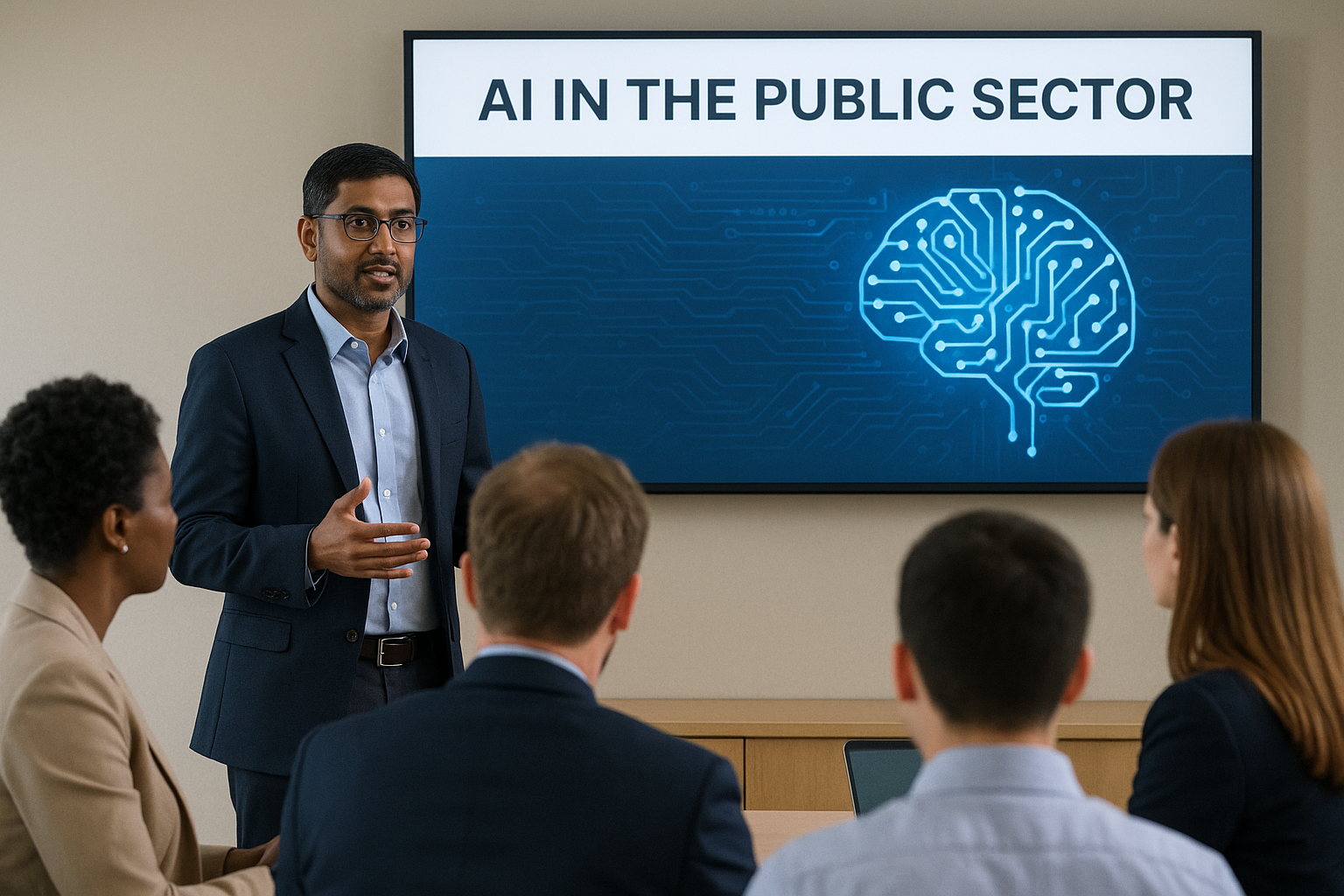
Enhancing AI Utilization in State and Local Governments
•
State and local governments in the U.S. are exploring AI to enhance public services, but risks exist without careful oversight. Key recommendations include defining problems before adopting AI, involving domain experts, piloting solutions, and gathering feedback. Collaborative efforts like the GovAI Coalition aim to standardize responsible AI governance, balancing innovation with accountability.
-
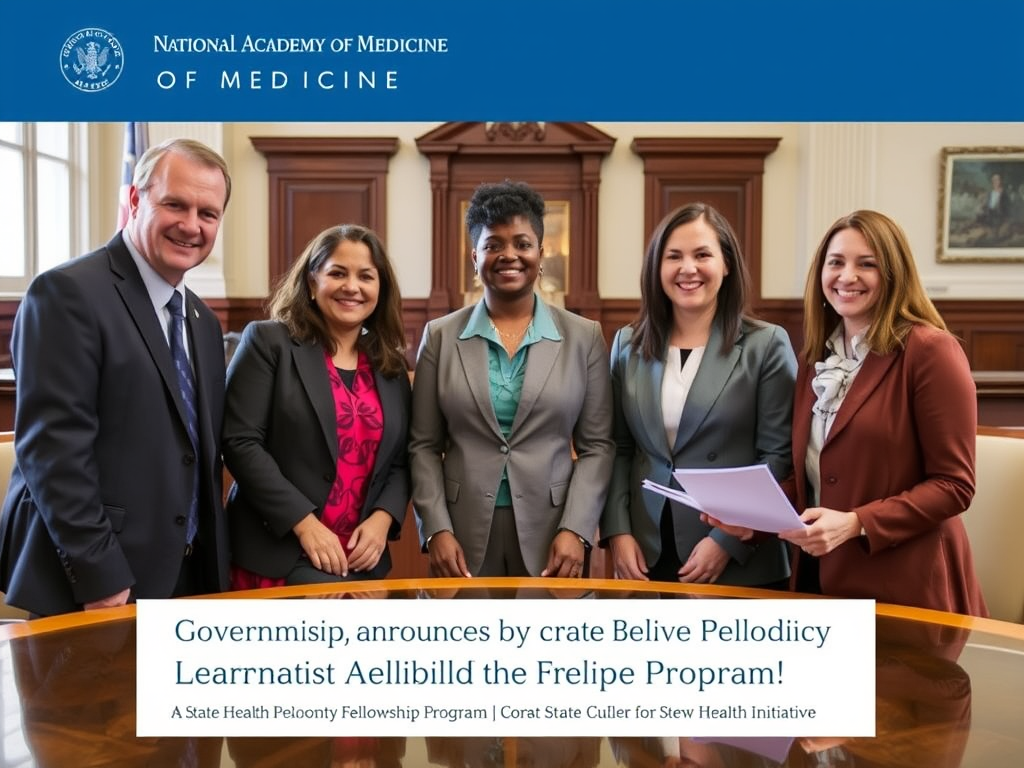
Five Scholars Named as 2025–26 Fellows in State Health Policy by the National Academy of Medicine
•
The National Academy of Medicine has announced five professionals selected for the 2025–26 State Health Policy Fellowship. These fellows will collaborate with state governments to develop effective health policies, enriching their experience while enhancing local health systems. This program emphasizes the importance of state policies in shaping community health and fostering future health policy…
-

Who Does Science and Technology Policy?
•
To celebrate its fortieth anniversary, Issues in Science and Technology conducted a survey from May to August 2024, featuring 784 participants engaged in science and technology policy. The findings highlighted improvements in gender representation, diverse career pathways, shared motivations, and anticipated challenges like AI governance and climate change, reflecting an evolving field.
-

Avoid Ranking Research Universities—Focus on Comparing Them
•
The U.S. research university system, while a significant intellectual asset, faces challenges such as declining high school graduations, rising research costs, and the impact of artificial intelligence. This analysis emphasizes the need for improved comparisons between institutions and urges a national dialogue to ensure the sustainability and adaptability of these universities amid growing disparities.
-

Maintaining U.S. Global Leadership in Science and Technology Requires Greater Focus on Strengthening Innovation, Not Solely on Restricting Access to Specific Technologies
•
A recent report by the National Academies of Sciences recommends a transformative approach for U.S. technology protection. It advocates for a shift from merely restricting access to focusing on strengthening innovation systems. Emphasizing open research and collaboration, the report highlights the risks of overregulation and calls for policy reforms to enhance the U.S. competitive…
-

Inaugural State of the Science Address Will Examine the Strength of the U.S. Research Enterprise to Better Meet National Priorities, Maintain Global Leadership
•
The National Academy of Sciences will host the inaugural State of the Science address on June 26, where President Marcia McNutt will discuss U.S. scientific leadership amidst growing global competition. The event aims to address funding challenges, workforce gaps, collaboration, and the ethical implications of emerging technologies, ultimately promoting a cohesive national strategy for…
-

New Report Urges Defense Department to Boost Investment in Next-Generation Semiconductor Technologies, Rebuild Domestic Production, and Enhance Collaboration Across Industry and Agencies
•
The National Academies report urges the U.S. Department of Defense to adopt a comprehensive strategy to secure long-term access to advanced semiconductor technologies, emphasizing robust partnerships across sectors. The report highlights vulnerabilities from foreign dependencies and workforce shortages, noting that modernization and investment in domestic production and education are critical for maintaining U.S. technological…