
-

GLP-1 Drugs: A Breakthrough in Addiction Treatment
•
In recent years, GLP-1 medications like semaglutide have shown potential in reducing addiction urges among individuals battling substance use disorders. Initial research and anecdotal evidence suggest these drugs lower cravings for alcohol, nicotine, and opioids. Ongoing trials aim to determine their efficacy, offering hope for revolutionary treatment methods.
-
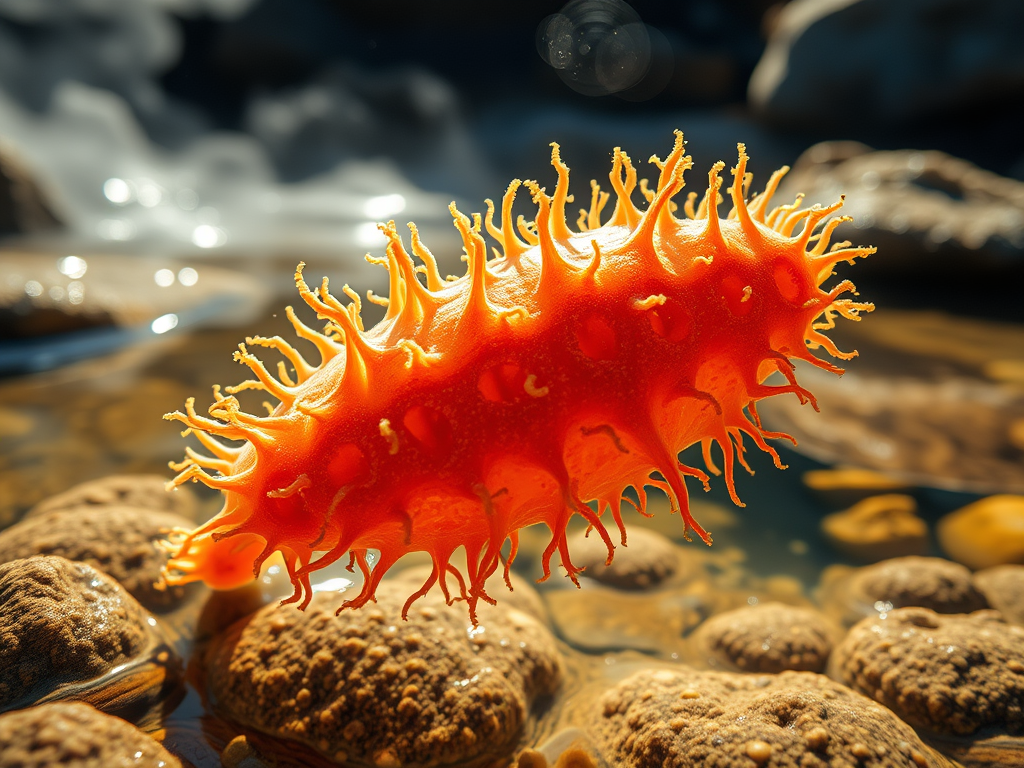
Discovering Incendiamoeba cascadensis: A New Heat-Resistant Eukaryote
•
Scientists have identified a new single-celled amoeba, Incendiamoeba cascadensis, capable of thriving at temperatures up to 64 °C, challenging previous assumptions about eukaryotic life’s heat limits. Found in Lassen Volcanic National Park, this discovery suggests that complex life can endure harsher conditions than previously thought, prompting reevaluation of extreme life forms.
-
Cyberattacks’ harm to universities is growing — and so are their effects on research
•
In November, Princeton University reported a data breach affecting its community, reflecting a growing trend in university cybersecurity failures, exacerbated by AI-driven attacks. Vulnerable infrastructure and insufficient defenses have made institutions easy targets. Experts advocate for collective action and improved resilience to tackle escalating cyber threats and protect sensitive information effectively.
-

Synthetic tongue rates chillies’ heat — and spares human tasters
•
A research team has created a gel-based artificial tongue capable of precisely measuring spiciness levels in foods, inspired by how milk reduces chili heat. The device has been validated against human tasters and may transform flavor analysis in the food industry. Future iterations aim for portability for practical everyday use.
-
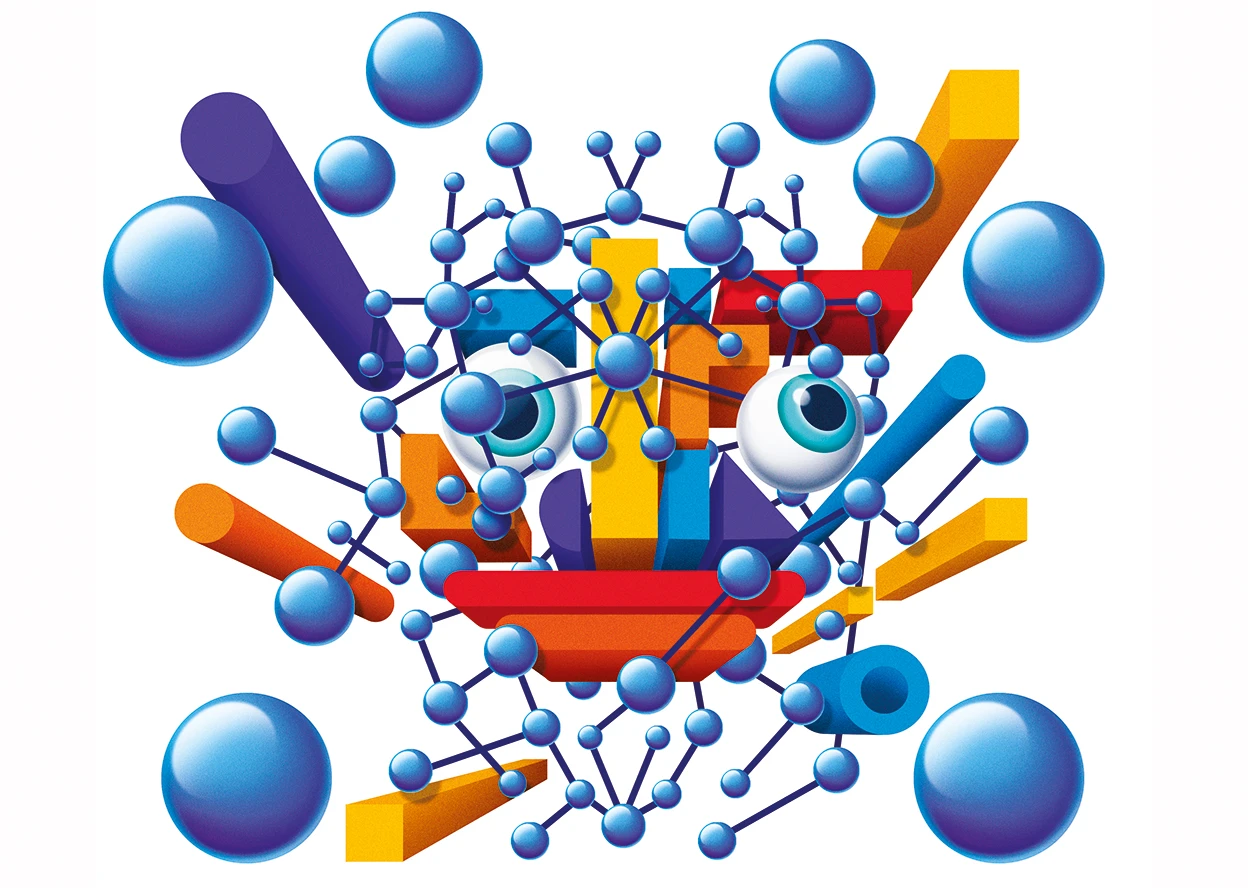
This AI combo could unlock human-level intelligence
•
The Association for the Advancement of Artificial Intelligence explored whether computers could achieve human-level intelligence, revealing skepticism about neural networks alone. Researchers advocate for a neurosymbolic AI approach that combines symbolic reasoning with neural networks, aiming to enhance reasoning, generalization, and decision-making. This hybrid model shows promise in improving accuracy in AI applications.
-
Google DeepMind won a Nobel prize for AI: can it produce the next big breakthrough?
•
Demis Hassabis and DeepMind aimed to revolutionize AI for scientific research when founded in 2010. After achieving breakthroughs like AlphaFold, which earned a Nobel Prize in Chemistry in 2024, the company now tackles challenges in various scientific fields. However, increased commercial pressure raises concerns about research integrity and ethical considerations.
-

A Chinese AI model taught itself basic physics — what discoveries could it make?
•
A research team in China has developed AI-Newton, an artificial intelligence system that aims to independently infer fundamental scientific principles from raw data, replicating human scientific reasoning. Unlike existing models, it utilizes symbolic regression to articulate clear mathematical relationships, potentially accelerating scientific discovery across various fields, although it remains far from autonomous.
-

How obesity drugs quiet ‘food noise’ in the brain
•
A study reveals that tirzepatide, an obesity medication, reduces intrusive food thoughts by altering brain electrical activity linked to cravings. Researchers found a correlation between diminished cravings and changes in neural patterns in a participant, raising questions about potential drug tolerance. This research highlights the need for therapies targeting compulsive eating linked to neurological…
-

Want a younger brain? Learn another language
•
A large-scale study published in Nature Aging suggests that speaking multiple languages can slow brain aging and reduce cognitive decline risk. Analyzing data from over 80,000 participants, researchers found multilingual individuals had a significantly lower likelihood of accelerated biological aging compared to monolinguals, reinforcing multilingualism’s protective effects on brain health.
-

China’s new scientist visa is a ‘serious bid’ for the world’s top talent
•
China has introduced the K visa to attract foreign STEM researchers without requiring job offers, marking a significant shift in immigration policy. Officially available from October 1, this initiative aims to enhance China’s competitive edge in science and technology by drawing global talent, despite challenges like cultural differences and demanding work cultures.