
-

The Future of DSM: Revising Mental Health Diagnosis
•
Mental health conditions impact around one in four adults globally, prompting a reevaluation of the Diagnostic and Statistical Manual of Mental Disorders (DSM). Critics highlight its focus on symptoms over underlying causes. The American Psychiatric Association is considering revisions to create a more inclusive, scientifically grounded system that addresses biological, cultural, and social factors.
-

Exploring Greenland’s Role in Global Climate Research
•
In November, Nuuk hosted Greenland Science Week, attracting global scientists amidst rising geopolitical concerns following U.S. President Trump’s remarks on Greenland. The island, crucial for climate and geological research, is advancing its scientific community through national strategies and investments in technology. However, international collaboration faces uncertainty due to political tensions.
-

The Evolutionary Debate: Sponges vs. Comb Jellies
•
The debate over which animals appeared first on Earth remains unresolved nearly two decades after a 2008 genomic study suggested comb jellies, not sponges, as the earliest lineage. Researchers are divided, with ongoing discussions highlighting the need for collaborative approaches. New methodologies are being explored to better understand early animal evolution.
-

Navigating Academic Retirement Policies
•
Breaking into academia has become increasingly difficult due to a surplus of doctoral graduates and a decline in tenure-track roles. Mandatory retirement policies, intended to create openings for younger scholars, have shown limited effectiveness. Critics argue these policies can harm senior academics and fail to ensure actual job opportunities for newcomers.
-
Impact of Trump’s Policies on US Federal Science
•
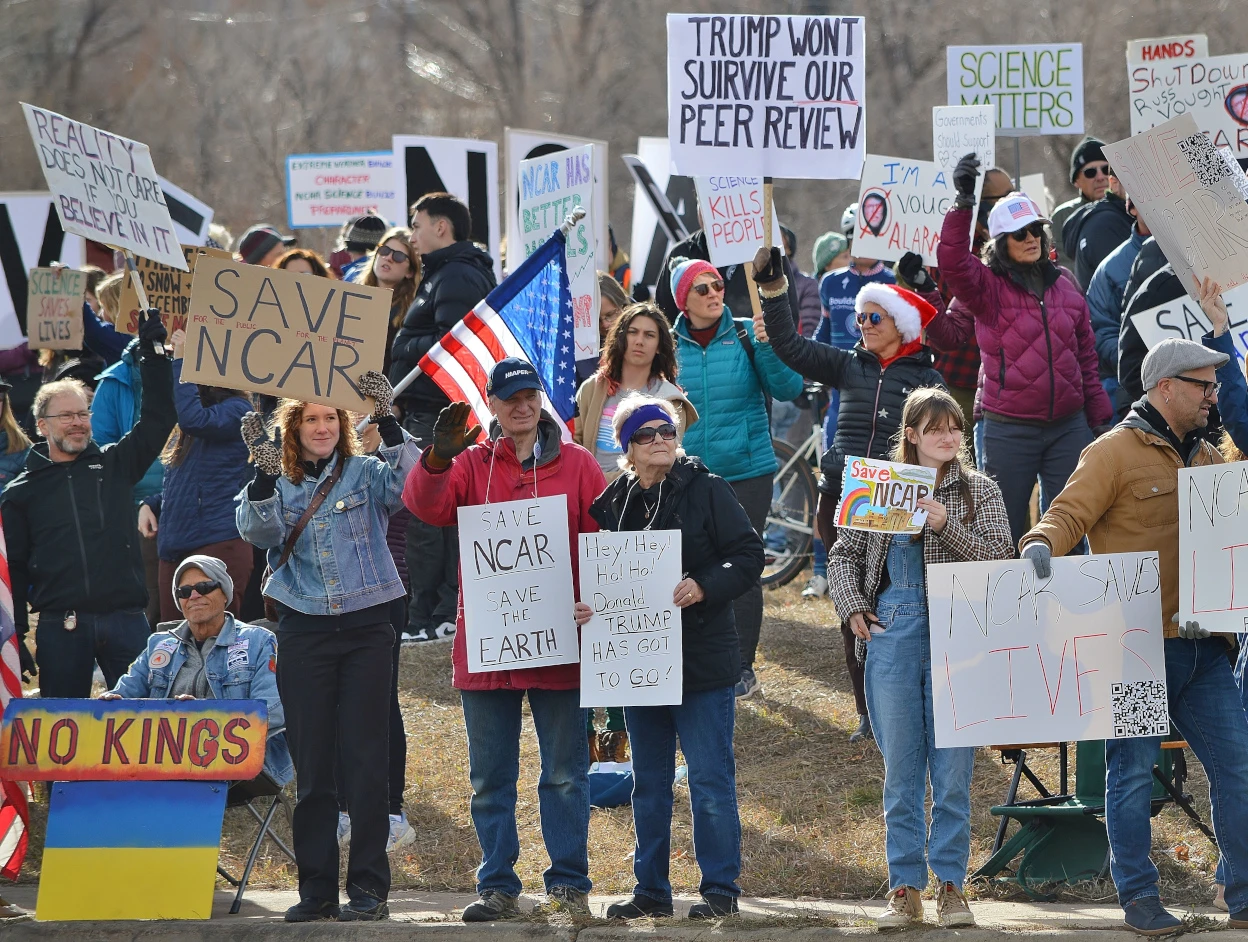
The first year of President Trump’s second term has seen extensive job losses at federal agencies, severe funding cuts, and increased political interference in science, resulting in a crisis for researchers. These changes have led to declining scientific output, disrupted grants, and morale issues, signaling long-term damage to the scientific community in the U.S.
-

Can ‘toxic masculinity’ be measured? Scientists try to quantify controversial term
•
A New Zealand study on “toxic masculinity” reveals that extreme hostile attitudes are less prevalent among men than often claimed. It identifies various groups of men based on their beliefs and behaviors, suggesting that many do not inherently embody toxic traits. The research encourages a nuanced understanding of masculinity, emphasizing positive aspects.
-
Impact of Trump’s Presidency on Science and Health Policy
•
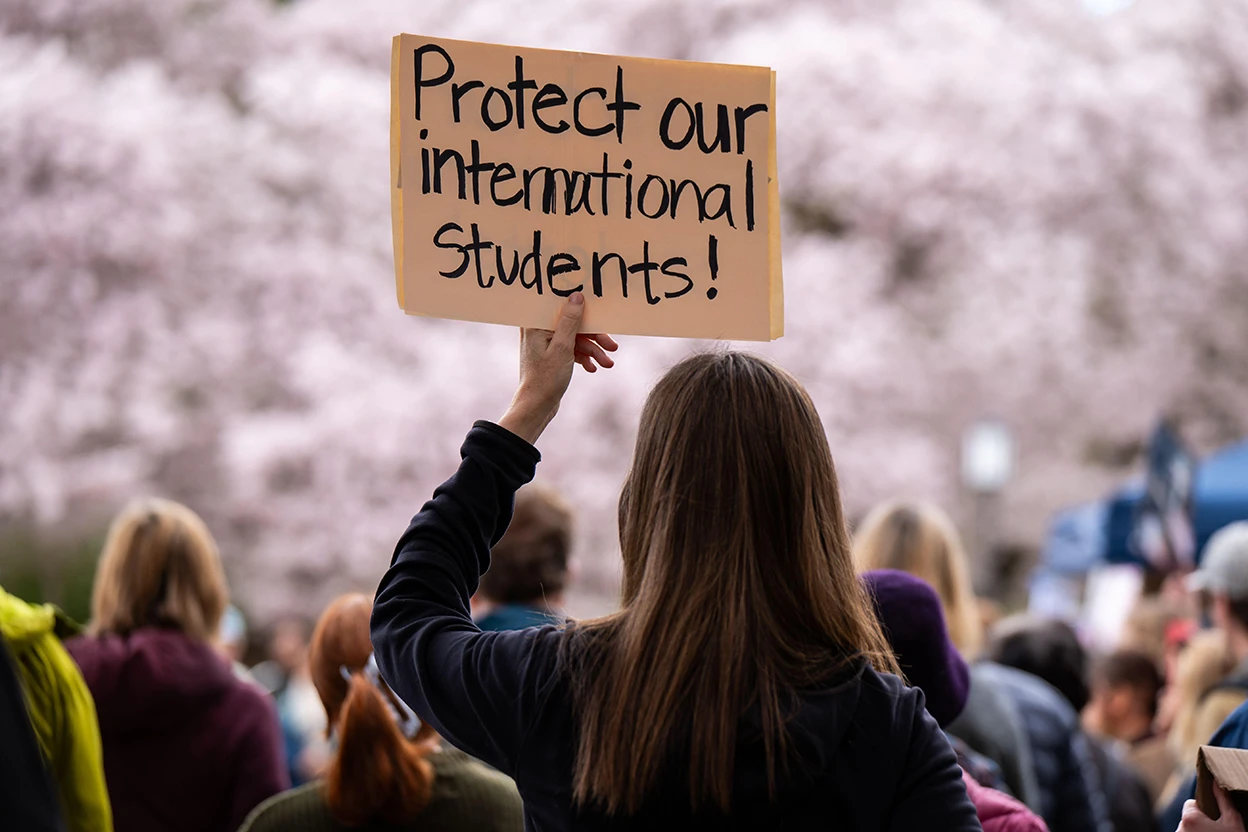
After Donald Trump’s 2024 election win, biomedical scholars expressed concerns over disruptions in science and health policy, including funding cuts and political ideology. Reflecting on his first year, they highlighted challenges like weakened public health institutions, curtailed academic freedoms, and inadequate disease prevention efforts, urging a need for renewed commitment to science and global…
-

Same-Sex Behavior in Primates: An Evolutionary Perspective
•
A large-scale survey of nearly 500 primate species reveals that same-sex sexual behavior is common and beneficial for survival and social structures. Found in 59 species, these interactions, such as mounting and genital contact, may strengthen social bonds and alliances, promoting reproductive success and stability in challenging environments.
-

Discovering Archaeopteryx: The First Bird’s Evolution
•
Around 150 million years ago, Europe was dominated by warm seas and islands populated by early birds like Archaeopteryx, which showcased a mix of bird and dinosaur features. Recent discoveries, including the Jurassic bird Baminornis, reveal deeper complexities in bird evolution and suggest multiple origins of flight among dinosaurs.
-
How to improve vaccine uptake: a huge study offers clues
•
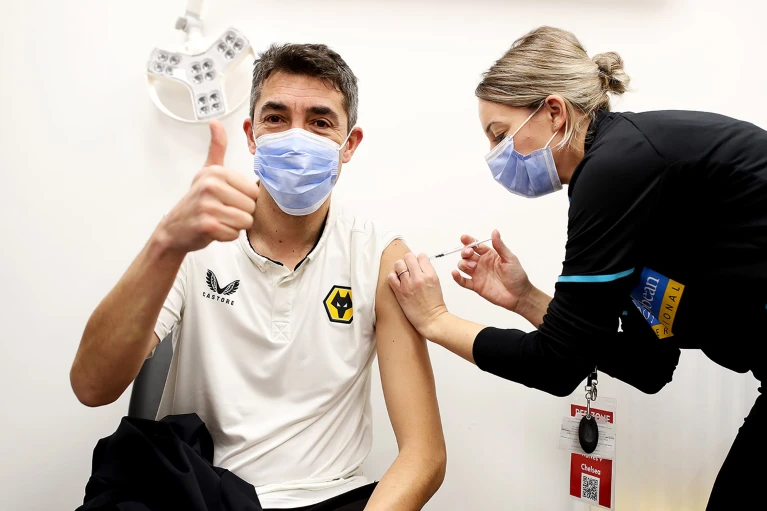
A UK study during the COVID-19 pandemic showed that vaccine hesitancy, initially peaking at 8 percent, decreased over time, with 65 percent of hesitant individuals ultimately getting vaccinated. Key reasons for hesitancy included concerns about effectiveness and personal health. The findings highlight the need for targeted communication to address specific concerns and improve vaccination…