
Same-sex sexual behavior appears to be a natural and recurring part of social life among many primate species, according to a large-scale survey covering nearly 500 kinds of apes, monkeys, and other non-human primates. The findings suggest that these behaviors may contribute to long-term survival and social success rather than being rare anomalies.
The research, published on January 12 in the journal Nature Ecology and Evolution, indicates that same-sex sexual interactions in wild primate populations may help individuals cope with difficult environmental conditions, high levels of predation, and complex social systems. Documented behaviors included mounting, genital contact, and oral sexual activity.
For many years, same-sex behavior in animals was often dismissed as accidental, abnormal, or limited to animals in captivity. Vincent Savolainen, an evolutionary biologist at Imperial College London and one of the study’s authors, argues that this perception is outdated. He explains that such behavior is not unusual or pathological but instead forms part of normal primate social dynamics.
Although these behaviors have frequently appeared in nature documentaries, scientists have only recently begun to examine them in depth. Researchers have proposed a range of explanations, from mistaken behavior caused by limited reproductive opportunities to purposeful adaptations that offer social or evolutionary advantages. Isabelle Winder, an evolutionary anthropologist at Bangor University in Wales, notes that determining the true function of these behaviors is challenging, and in some cases their significance remains unclear.
One potential benefit is the strengthening of social bonds. In earlier work, Savolainen and his team observed a group of male rhesus macaques in Puerto Rico over a three-year period. They found that same-sex sexual interactions were common and were associated with higher reproductive success later in life. This pattern suggests that such behavior may help males form alliances that improve their access to mates. As Savolainen puts it, individuals that fight together and engage in sexual interactions may later gain social advantages within their group.
To determine whether similar patterns exist across other primate species, the researchers conducted an extensive review of existing scientific studies. Out of 491 species examined, they identified same-sex sexual behavior in 59 species, with consistent and repeated observations in 23 of them.
When these behaviors were compared with environmental and biological factors, several trends emerged. Same-sex sexual behavior was more frequently observed in regions with dry climates, high predation pressure, and among species with longer lifespans. It was also more common in species showing strong sexual dimorphism, where males and females differ significantly in size. In addition, such behavior tended to appear in primates living in hierarchical social systems, where individuals—particularly males—must compete and climb social ranks to reproduce.
Further analysis suggested that environmental and life-history traits do not directly cause same-sex sexual behavior, but instead shape social structures that make such behavior more likely. For instance, harsh climates may promote physical differences between sexes, which in turn encourage rigid social hierarchies. Within these hierarchies, same-sex sexual interactions appear more frequently. According to José María Gómez, an evolutionary ecologist in Spain, the ability to separate and analyze these interconnected factors represents one of the study’s greatest strengths.
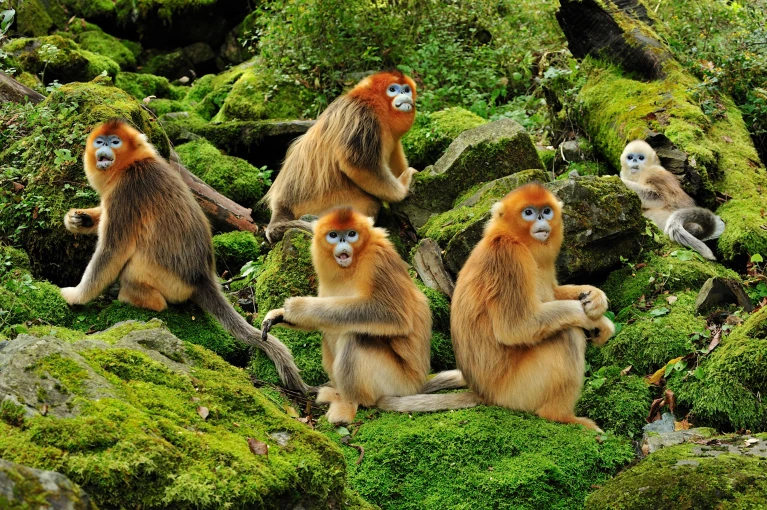
Specific examples highlight how these behaviors function in different species. Among golden snub-nosed monkeys living in cold environments, same-sex sexual activity often accompanies grooming, reinforcing social bonds. In bonobos, which are known for their long lifespans and complex social relationships, frequent same-sex interactions may help maintain group stability and cooperation over many years.
Winder describes the study as a major step forward in understanding animal behavior. She believes the same research approach could be applied to other behaviors that were once thought to be rare or insignificant, such as mourning rituals, tool use, or even early forms of symbolic communication. These actions, she emphasizes, are not isolated incidents but part of broader and meaningful social patterns.
Leave a Reply